Spain to probe social media companies for AI-created child exploitation content
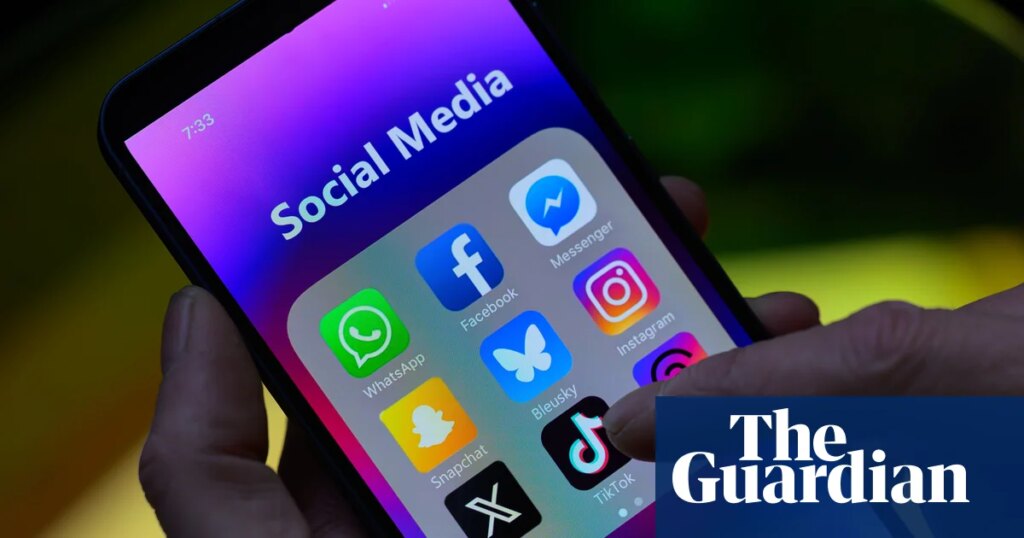
The government of Spain has announced plans to request an investigation by prosecutors into major social media companies, including X, Meta, and TikTok. This action aims to uncover whether these platforms have committed criminal acts by allegedly permitting the generation and dissemination of child sexual abuse material using their artificial intelligence capabilities.
Pedro Sánchez, the prime minister of Spain, stated that this decision is critical for safeguarding the “mental health, dignity, and rights of our sons and daughters.” He emphasized the importance of ending the “impunity” often associated with massive social media platforms that can potentially facilitate such egregious offenses.
The government’s initiative arose from an expert report that scrutinized the “potential criminal liability of increasingly prevalent practices in the digital realm.” This includes the generation and distribution of sexual content and child sexual abuse materials through innovative techniques like deepfakes and the manipulation of genuine images. Such practices jeopardize the dignity of victims involved.
The report issued a warning regarding the possible complicity of social media companies in these acts, noting that their platforms enable the swift and opaque dissemination of explicit content. This situation severely complicates detection and prosecution efforts while fostering networks that produce, share, and monetize such materials.
This policy shift, which was confirmed by the cabinet last Tuesday, coincides with the Sánchez administration’s preparations to introduce a range of measures. These initiatives include a ban on social media usage for individuals under 16 and new legislation aimed at holding tech companies accountable for the distribution of harmful and hateful content.
This decision also follows closely after the European Commission initiated an investigation into Elon Musk’s platform, X, regarding the generation of sexually explicit images and the distribution of possible child sexual abuse material by its AI chatbot, Grok.
On that same Tuesday, Ireland’s Data Protection Commission (DPC) announced a large-scale inquiry aimed specifically at the generative artificial intelligence features linked to the Grok large language model.
The deputy commissioner of the regulator, Graham Doyle, highlighted that the inquiry will investigate whether X followed its obligations under the General Data Protection Regulation (GDPR) concerning the personal data of EU/EEA subjects processed by its platform.
Elma Saiz, a spokesperson for the Spanish government, stated that Madrid will not permit digital sexual violence against children to be “amplified or protected” by algorithms. She stressed that “what’s at stake here is the safety of our sons and daughters and the protection of their images, their privacy, and their freedom.”
Saiz confirmed that the cabinet plans to formally request the attorney general to investigate and prosecute firms suspected of breaking the law.
In a response, Meta indicated that it could not provide comments on the forthcoming investigation due to a lack of detailed information. However, it reiterated its unwavering commitment to combating child sexual exploitation and non-consensual intimate imagery, whether real or AI-generated, and promised to remove all such content as soon as it is identified. X and TikTok have also been contacted for their responses to these developments.
Sánchez’s efforts to hold social media platforms accountable and to shield children from the dangers he termed the “digital wild west” has sparked outrage among the proprietors of some of the largest technology firms in the world.
Earlier this month, the prime minister emphasized the necessity for immediate action, stating that social media has become akin to a “failed state where laws are ignored and crimes go unchecked.”
Sánchez further criticized Musk for allegedly utilizing X to “amplify disinformation” regarding his government’s initiative to regularize 500,000 undocumented workers and asylum seekers, notably pointing out Musk’s own status as a migrant.
The prime minister’s remarks provoked a furious reaction from Musk, who labeled Sánchez “a tyrant and a traitor to the people of Spain” and accused him of being a “true fascist totalitarian.”
The Spanish government’s initiatives have also drawn ire from Russian technology entrepreneur and Telegram co-founder, Pavel Durov. In a sweeping message dispatched to all Telegram users in Spain, he charged that Sánchez’s administration is “pushing dangerous new regulations that endanger your internet freedoms,” claiming that these measures could convert Spain into a “surveillance state” under the pretext of protection.
In response, Spanish government sources dismissed Durov’s unprecedented message as a tactic to undermine public trust in institutions. They underscored the necessity for regulating social media and messaging applications. “Spaniards cannot exist in a reality where foreign tech oligarchs can deluge our devices with propaganda simply because the government is taking steps to safeguard minors and uphold the law,” officials stated.
The growing concerns surrounding the adverse effects of social media have prompted several governments, including those of Spain, Britain, Greece, and France, to consider or implement stricter legislation. Notably, Australia has become the first country to implement a ban on children under 16 from using such platforms.
Interested in growing your brand with smarter solutions? Get in touch with Auctera today.

Jessica
https://www.linkedin.com/company/aucteraAffiliate Content Writer