Illinois Governor Suggests Revoking Tax Incentives for Data Centers
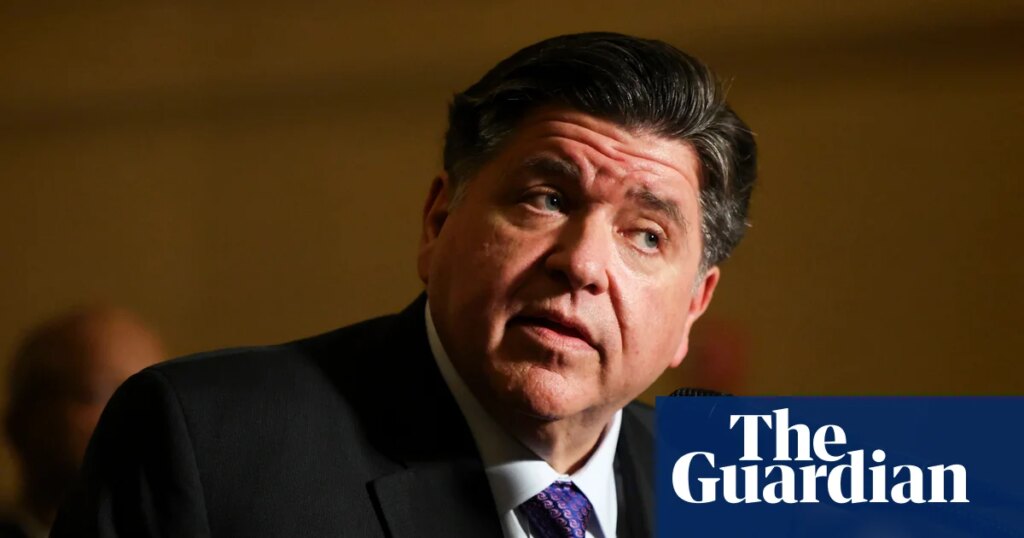
In a bold move reflecting the shifting landscape surrounding data centers, Illinois Governor J.B. Pritzker has proposed a two-year hiatus on tax incentives for these massive facilities. This initiative seems to be a response to the growing public concerns about the environmental and resource-related impacts of data centers, particularly in light of the booming AI industry, as indicated by increased political opposition to their expansion.
During his annual state of the state address, Governor Pritzker outlined this proposal, emphasizing that it would require the support of state lawmakers to be enacted. The Governor’s address also served as a platform to discuss the budget and policy plans for Illinois. The news about this proposal was first reported by NBC News, highlighting Pritzker’s urgent message that “In light of rising demand and soaring prices, I support a two-year pause on any new datacenter tax credits.” He emphasized the need for growth in this sector to not undermine affordability and stability for Illinois families, especially given the shifts in the energy landscape.
The public’s unease regarding data centers—particularly how they affect local communities and deplete resources—has become a recurring political issue across various states and nations. Companies often invest colossal sums into constructing vast facilities, frequently ignoring the reservations of local populations, as seen in multiple regions. Major tech firms like Microsoft and Anthropic have recently asserted that they will absorb the increased energy costs driven by the demands from their data centers, amidst political pressure intensifying ahead of the upcoming midterm elections.
Furthermore, Pritzker has gone beyond just suggesting a hiatus on tax incentives. He has urged the northern Illinois power grid operator, PJM, to require datacenter developers to bear the extra costs associated with their power demands. He stated emphatically, “PJM must compel datacenter developers to cover the capacity resources needed to power their operations, thereby protecting consumers from elevated electricity rates.”
A significant focus of Pritzker’s address, particularly concerning datacenters, revolved around the theme of affordability. This topic has gained traction in political discussions, especially amidst surging living costs in the United States, making it a pivotal issue for the upcoming 2024 elections, heavily emphasized by Donald Trump. With the affordability discussion heating up, both Democrats and Republicans are increasingly scrutinizing data centers and the developers behind them. Notably, Peter Navarro, Trump’s former trade advisor, mentioned earlier in the week that the administration could compel datacenter builders like Meta to internalize the costs of electricity, although no actionable plan was laid out at that time.
Illinois has established itself as a frontrunner in addressing the implications of the AI boom through more robust legislative action. In 2024, Pritzker signed significant bills pertaining to AI-generated replicas, artists’ rights, employment discrimination, and the regulation of deepfakes in child sexual abuse materials. In addition, Illinois lawmakers, along with Pritzker, have vowed to reject federal initiatives like Donald Trump’s executive order designed to prevent states from creating their own AI regulations. The state has also set a precedent by implementing stricter biometric privacy regulations than those found in many other parts of the United States.
In light of these developments, some other states, such as Georgia and Oklahoma, have proposed a temporary cessation in the construction of new data centers while further regulatory assessments are conducted. For example, Georgia’s proposed legislation aims to halt new datacenter constructions until March of next year, marking a significant pause in an industry that typically prioritizes rapid advancement and unchecked growth. This growing trend suggests an increased focus on balancing technological progress with community and environmental considerations.
Interested in growing your brand with smarter solutions? Get in touch with Auctera today.

Jessica
https://www.linkedin.com/company/aucteraAffiliate Content Writer