Anthropic pledges $20 million to U.S. political organization advocating for AI regulation.
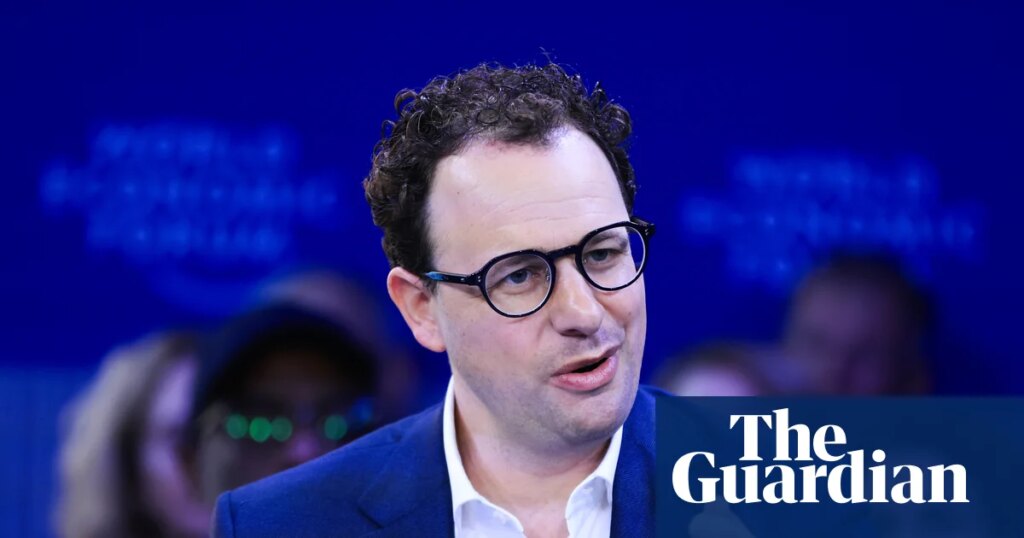
In a significant move within the tech industry, Anthropic has announced that it will allocate $20 million to support U.S. political candidates who advocate for tighter regulations on the AI sector. This strategic decision, revealed in a company statement on Thursday, positions Anthropic in stark contrast to its competitor, ChatGPT creator OpenAI, which has taken a stance favoring less rigorous regulation of artificial intelligence technologies.
Anthropic’s financial backing will be directed towards Public First Action, a political organization that is firmly against federal initiatives aimed at undermining state-level AI regulations. Among the candidates that Public First Action is supporting is Republican Marsha Blackburn, who is in the race for governor in Tennessee. Blackburn has previously voiced her opposition to a Congressional effort intended to prevent states from enacting their own AI legislation.
In the official statement, Anthropic emphasized its belief that companies developing AI technologies bear a responsibility to ensure that their innovations serve the public good, rather than just their corporate interests. This sentiment underscores the growing complexities surrounding AI regulations as the industry matures.
As the drama of the 2024 U.S. midterm elections unfolds, it’s clear that the AI sector is poised to play a significant role in influencing political dynamics. Industry leaders are keenly aware that regulatory frameworks will directly impact their operations, and many states across the U.S. are either enacting or considering legislation to govern AI development and deployment.
Public First Action was established late last year by two former members of Congress with the specific goal of counteracting organizations like Leading the Future. This latter organization generally takes a stance against stringent AI regulations and has garnered backing from prominent figures in the technology sector, including Greg Brockman, president of OpenAI, and venture capitalist Marc Andreessen. Notably, Andreessen’s investment firm, A16Z, has financial ties to OpenAI.
Since its inception in August 2025, Leading the Future has raised an impressive $125 million, showcasing the significant financial backing that proponents of less regulation possess. This influx of capital underscores the growing divide in perspectives within the AI community regarding how best to approach the regulatory landscape.
As public discourse continues to vary on the need for oversight versus innovation in AI, the alignment of financial support with political candidates establishes a critical nexus between technology and governance. With the backing of organizations like Anthropic and Public First Action, the push for more rigorous AI regulations could reshape the future of AI technology and its implications for society at large.
In conclusion, as we observe these developments, it is evident that the AI industry’s influence on political processes is not merely a passing phase; it is an evolving narrative that raises important questions about accountability, governance, and the ethical use of technology. The decisions made in the coming months will likely have far-reaching consequences for the industry and society, highlighting the delicate balance between innovation and regulation.
Interested in growing your brand with smarter solutions? Get in touch with Auctera today.

Jessica
https://www.linkedin.com/company/aucteraAffiliate Content Writer