Experts caution that AI-driven mass surveillance in Africa infringes on personal freedoms.
The swift rise of AI-driven mass-surveillance systems throughout Africa is increasingly infringing on citizens’ privacy rights, creating a chilling atmosphere in society, experts in human rights and technological advancements are finding. These systems are being implemented with minimal oversight, under the pretense of enhancing national security.
A recently released report by the Institute of Development Studies indicates that over $2 billion (£1.5 billion) has been allocated by 11 African nations for advanced surveillance technology, predominantly sourced from Chinese firms. These systems encompass facial recognition, movement tracking, and the collection of biometric data, being marketed as essential tools for aiding urbanizing nations in modernizing their systems and combating crime.
However, findings from the African Digital Rights Network, which collaborated on the report, highlight a troubling reality: there is scant evidence substantiating that these surveillance systems effectively decrease crime rates. Instead, they serve as instruments for governments to surveil human rights defenders and political dissidents, arrest demonstrators, and compel journalists to practice self-censorship.
Wairagala Wakabi, the executive director of Cipesa, a policy advocacy organization based in Kampala and co-author of the report, expressed deep concerns regarding the widespread use of AI-enabled surveillance in public spaces. He stated, “This large-scale and invasive surveillance is neither ‘legal, necessary, nor proportionate’ in achieving the legitimate goal of public safety. History has shown that such systems are often utilized by governments to invade citizen privacy and suppress the freedoms of movement and expression.”
Countries like Nigeria are at the forefront of this technological investment, having dedicated $470 million towards the establishment of a network of 10,000 smart cameras. Following suit, Egypt has procured 6,000 cameras, while Algeria and Uganda are each equipped with about 5,000. On average, $240 million has been spent across the 11 nations, with much of the financing stemming from loans provided by Chinese financial institutions.
The study raises alarm over the absence of a regulatory framework concerning the storage and usage of individual data, especially in light of the fast-paced deployment of these technologies. Bulelani Jili, an assistant professor from Georgetown University, heightened these concerns by stating that the implementation of laws could unwittingly validate the surveillance measures. “History shows that monitoring online activities can be weaponized to suppress dissent, legitimized through legal frameworks that may criminalize ordinary citizens for their online expressions,” Jili explained.
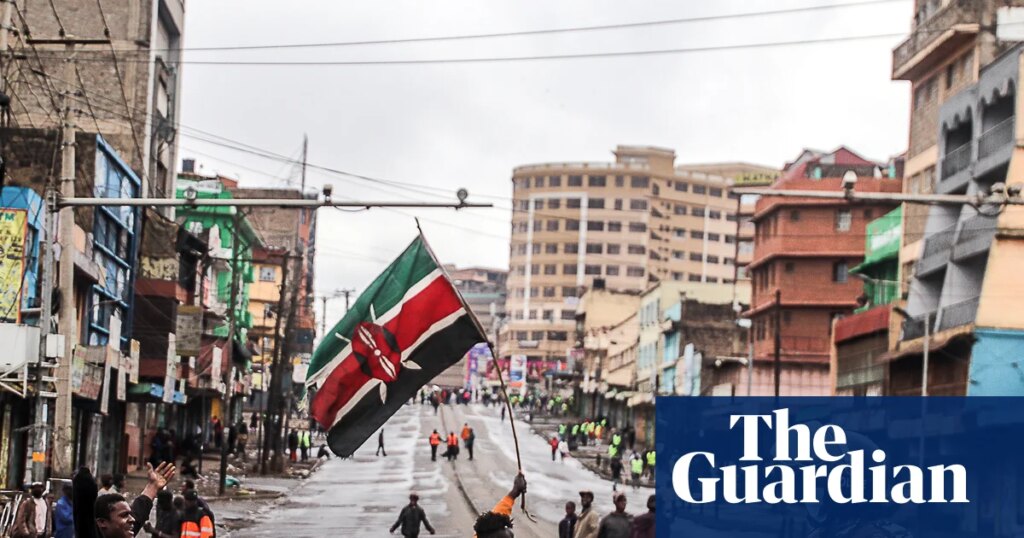
He emphasized that the core issue transcends mere surveillance regulation; it is about how societies navigate the delicate balance among security, accountability, and civil liberties once such technologies become deeply rooted in institutional practices. Jili cited instances where facial recognition technology has been utilized to monitor activists in Uganda and where surveillance systems have been deployed to suppress protests led by Gen Z in Kenya. These actions pose significant risks to anyone labeled a potential threat to governmental authority.
Jili noted that communities that have historically faced marginalization, along with political activists, journalists, and minority groups, are disproportionately impacted as these surveillance mechanisms become integrated into policing and intelligence operations. Yosr Jouini, who authored the report’s section on Algeria, added that these surveillance systems were initially marketed as components of “smart city” initiatives aimed at combating crime and managing traffic. However, reality reveals these technologies to predominantly serve the interests of security agencies.
“The discourse surrounding these systems is narrowly focused on security, sidelining any other concerns. Furthermore, there are insufficient mechanisms to protect citizens’ rights,” Jouini remarked. Citing street protests in 2019 and 2021 that were pivotal for political transformations, she noted that the proliferation of surveillance technologies could deter citizens from participating in future demonstrations.
“Many protesters have faced arrests during public gatherings; while we cannot confirm if this was directly related to surveillance, the potential for it contributes to a chilling effect that may dissuade individuals from engaging in civil activism,” she concluded.
Interested in growing your brand with smarter solutions? Get in touch with Auctera today.

Jessica
https://www.linkedin.com/company/aucteraAffiliate Content Writer