Sam Altman acknowledges that OpenAI lacks control over the Pentagon’s application of AI.
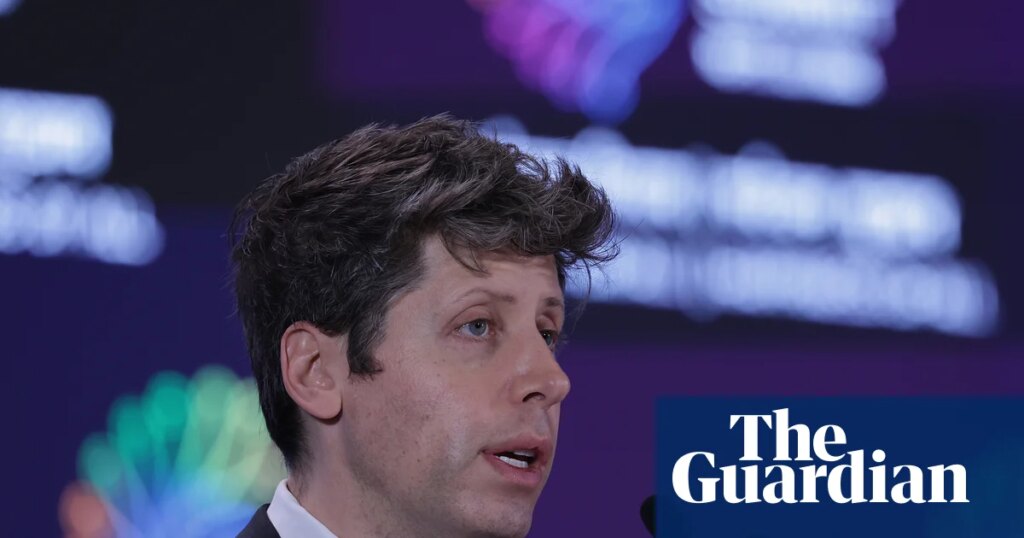
In a recent address to employees, OpenAI’s CEO Sam Altman emphasized that the company does not influence the manner in which the Pentagon employs its artificial intelligence products for military purposes. This statement comes amid intensifying scrutiny regarding the military’s use of AI technology, raising significant ethical concerns among employees about the ways their innovations could be utilized in warfare.
According to reports from Bloomberg and CNBC, Altman stated, “You do not get to make operational decisions.” His comments reflect a clear division between the company’s technology development and its deployment in military contexts.
Divisive opinions have emerged concerning specific military actions. Altman reportedly mentioned, “So maybe you think the Iran strike was good and the Venezuela invasion was bad. You don’t get to weigh in on that.” His remarks highlight the complexities and moral dilemmas faced by those creating advanced AI systems when their work is conscripted for military objectives.
The AI industry has entered into intense debates recently, as the Pentagon has urged AI companies to reduce safety measures in their products to expand the scope of potential military applications. Reports suggest that AI systems have already been utilized in key military strikes, including efforts to confront Venezuelan leader Nicolás Maduro and in strategic decisions related to the conflict in Iran.
Anthropic, OpenAI’s competitor and the creator of the Claude chatbot, rejected a deal with the Pentagon last week, voicing concerns that their models could be applied to domestic surveillance or fully autonomous weaponry. In a sharp response, U.S. Defense Secretary Pete Hegseth labeled the company a “supply-chain risk,” an unprecedented classification likely to jeopardize its financial standing if it goes into effect.
Coinciding with Hegseth’s remarks about punitive actions against Anthropic, the Pentagon announced a partnership with OpenAI, a move seemingly intended to substitute Claude in military roles. This strategic alignment has drawn criticism, with fears that OpenAI has made ethical compromises that Anthropic declined, leading to significant internal dissent and public backlash against OpenAI.
In response to the criticism, Altman and the OpenAI team have attempted to reassure stakeholders that their technology would be employed in a lawful manner. Altman candidly expressed that the recent deal was hastily made and caused the company to appear “opportunistic and sloppy,” thus indicating the challenges of navigating complex ethical landscapes.
Dario Amodei, CEO of Anthropic, criticized Altman in a memo directed to employees, labeling him as “mendacious.” He accused him of extending “dictator-style praise to Trump,” as previously reported by The Information. Amodei highlighted the integrity with which Anthropic has maintained its red lines in the face of pressure, dismissing any notion that they were colluding with authorities to create merely a facade of safety.
Moreover, Amodei took aim at the Pentagon and former President Donald Trump. He suggested that the Pentagon’s unfavorable perspective on Anthropic stems from the company’s refusal to contribute financially to Trump’s campaigns, contrasting this with OpenAI and its president, Greg Brockman, who reportedly donated $25 million to a PAC supporting Trump and his administration.
Interested in growing your brand with smarter solutions? Get in touch with Auctera today.

Jessica
https://www.linkedin.com/company/aucteraAffiliate Content Writer