Nvidia is said to be preparing a $30 billion investment in OpenAI’s upcoming funding round.
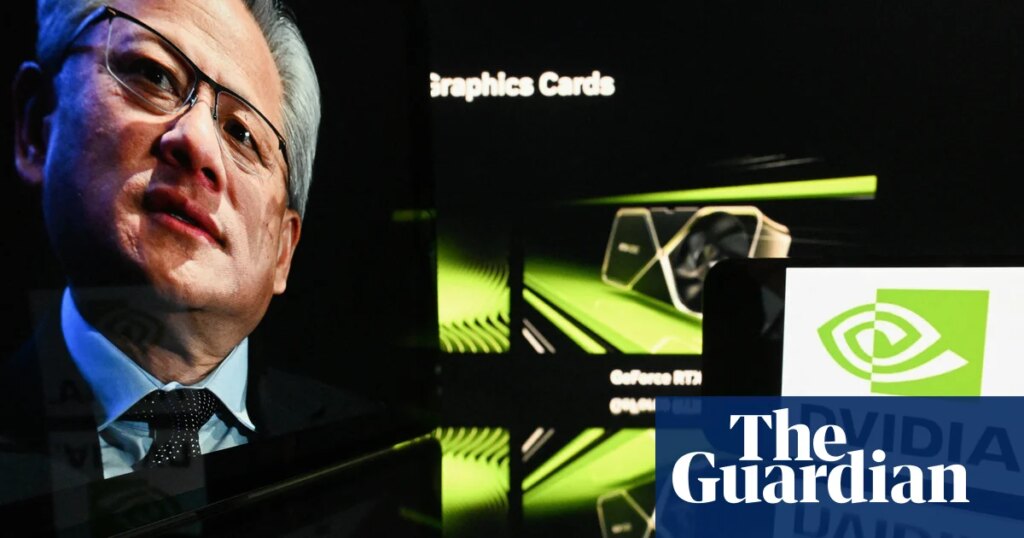
Nvidia, recognized as the world’s most valuable company, is reportedly gearing up to invest an astounding $30 billion (£22 billion) in the upcoming funding round for OpenAI. This follows the recent dissolution of a $100 billion agreement between the two giants, igniting speculation across the tech industry.
The forthcoming funding round anticipates OpenAI being valued at about $730 billion, effectively positioning it to almost double the valuation of its main competitor, Anthropic, which recently secured $30 billion in its funding efforts. This burgeoning valuation highlights OpenAI’s prominence in the artificial intelligence sector, showcasing its influence and potential in shaping the future of AI technologies.
Last September, Nvidia’s initial announcement to invest $100 billion in OpenAI was met with enthusiasm, causing the chipmaker’s stock market value to soar beyond $5 trillion. This massive projection led to intense discussions regarding the dynamics of financial relationships among the top players in AI—a theme that continues to gain traction in industry conversations.
This potential investment had been characterized by Nvidia as a “letter of intent,” indicating that the chipmaker would provide funding to OpenAI to facilitate the purchase and deployment of its GPU products for AI infrastructure. Such a transaction promised a symbiotic relationship between the two companies, driving innovation and development within the AI ecosystem.
However, the dynamic shifted dramatically earlier this month when reports indicated that Nvidia’s earlier commitment was not as solid as initially believed. OpenAI began exploring alternative sources for the chips necessary to power its systems. This revelation sent shockwaves through the markets, which were already on edge due to concerns about the implications of AI agents on job security and the broader software industry.
Under the new arrangement, Nvidia’s proposed $30 billion investment will reportedly exchange cash for OpenAI stock—without a binding agreement for OpenAI to purchase Nvidia’s chips. This shift has pivoted the relationship between the two tech titans, as OpenAI seeks to maintain flexibility in its supply chain amidst increasing competition.
The anticipation surrounding OpenAI’s funding round suggests it could successfully secure investments totaling approximately $100 billion, featuring contributions from major players like Amazon, SoftBank, and Microsoft, according to reports from the Financial Times. The projected $730 billion valuation would position OpenAI just below SpaceX as one of the most valuable private companies on the global stage.
Despite this impressive valuation, questions loom regarding OpenAI’s ability to generate a sustainable profit, especially given its current financial trajectory. The company is reportedly facing challenges as it burns through cash while simultaneously losing market dominance to competitors. Data indicates that ChatGPT’s market share has dropped from 86.7% to 64.5% over the past year, and OpenAI now finds itself trailing behind Anthropic in the increasingly competitive market for enterprise software.
In response to these challenges, OpenAI has embarked on testing advertisements within ChatGPT to create new revenue streams. However, the effectiveness of this strategy remains uncertain, drawing criticism from competitors like Anthropic, which is vocally challenging this approach through strategic advertising campaigns.
SoftBank, a key backer of OpenAI, shared insights during a recent earnings call, suggesting that “nothing has been decided” regarding its forthcoming investment. This declaration follows the billions of dollars the company generated in the previous year from its current stake in OpenAI.
At the same time, OpenAI is actively pursuing diversification in its chip sourcing strategy. The company has already announced collaborations with rival chip manufacturers such as AMD and Broadcom, signaling a move away from its exclusive reliance on Nvidia’s GPUs.
Nonetheless, the future of some of these partnerships remains in question. For instance, Broadcom’s CEO, Hock Tan, expressed a measured outlook, indicating that the company does not foresee significant contributions from its OpenAI investment in the upcoming year.
Interested in growing your brand with smarter solutions? Get in touch with Auctera today.

Jessica
https://www.linkedin.com/company/aucteraAffiliate Content Writer