TikTok’s parent company ByteDance promises to limit its AI video technology following Disney’s ultimatum.
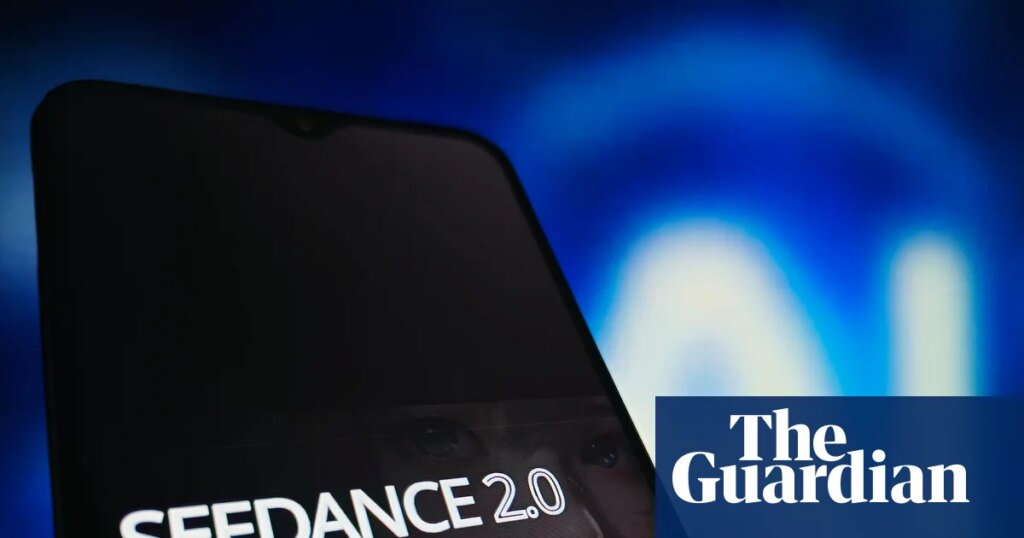
ByteDance, the Chinese technology firm recognized for its popular app TikTok, is reportedly taking steps to limit its AI video creation tool following threats of legal action from Disney and dissatisfaction expressed by other media entities. This comes in light of the recent release of Seedance 2.0, which has caused considerable concern in Hollywood due to its capability to produce highly realistic video clips featuring famous movie stars and superheroes merely from a brief text description.
Multiple Hollywood studios have raised alarms about potential copyright violations relating to the use of this tool. The situation escalated on Friday when Walt Disney issued a cease-and-desist letter to ByteDance, alleging that the company had utilized a “pirated library” containing characters from its franchises, particularly those highlighted in Marvel and Star Wars films, as reported by the US outlet Axios.
According to sources, Disney’s legal team accused ByteDance of executing a “virtual smash-and-grab” of Disney’s intellectual property, as highlighted in a report from the BBC. Despite these serious allegations, ByteDance communicated to the BBC that it respects intellectual property rights and has recognized the concerns regarding the functionalities of Seedance 2.0.
A representative from the company stated that they are “taking steps to strengthen current safeguards” while they work toward curbing unauthorized uses of intellectual property and likenesses by users. However, they did not provide specific details about the measures being put in place.
Seedance 2.0 is designed to generate videos from minimal text input. Rhett Reese, co-writer of popular films such as Deadpool, Wolverine, and Zombieland, remarked that after viewing a circulated AI-generated clip featuring Tom Cruise and Brad Pitt in a fictional fight, he’d concluded that “it’s likely over for us.”
He elaborated that it would soon be achievable for an individual to sit at a computer and concoct a film indistinguishable from present-day Hollywood productions. He acknowledged that while the quality may vary based on the creator’s skill level, the potential for someone with the creative acuity of Christopher Nolan to emerge and create remarkable work is imminent.
The initial version of Seedance made its debut in June of the previous year. Within the larger conversation about AI’s growing influence in filmmaking, the Motion Picture Association, representing numerous studios like Paramount, Warner Bros, and Netflix, condemned ByteDance for its “unauthorized use of US copyrighted works on a massive scale.” Furthermore, the actors’ union Sag-Aftra has labeled Seedance as engaging in “blatant infringement.”
This conflict represents the latest incident in a series of tensions within Hollywood, primarily surrounding the implications of artificial intelligence on the entertainment sector. Various artists and industry professionals are advocating for financial compensation for the use of their creative materials and the establishment of licensing frameworks for the lawful utilization of their content.
To highlight this ongoing issue, last year Disney and NBCUniversal filed a lawsuit against the AI image generator Midjourney, contending that it had made countless unauthorized replicas of their creative works.
Conversely, it is noteworthy that creative entities are also forming partnerships with AI firms. Disney, for instance, revealed a significant investment of $1 billion in OpenAI last year along with a licensing agreement spanning three years that allows its Sora video generation tool to incorporate certain Disney characters.
Requests for comments were sent to representatives from both ByteDance and Walt Disney, yet responses were not provided at this time.
Interested in growing your brand with smarter solutions? Get in touch with Auctera today.

Jessica
https://www.linkedin.com/company/aucteraAffiliate Content Writer