Study Reveals AI in Breast Cancer Screening Reduces Later Diagnoses by 12%
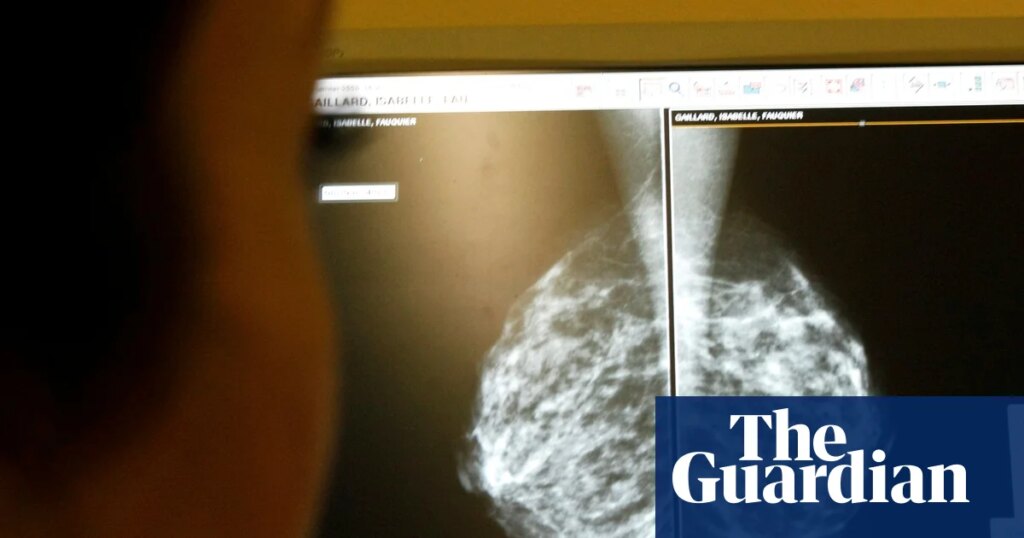
The incorporation of artificial intelligence (AI) into breast cancer screening has been shown to significantly lower the rate of cancer diagnoses by 12% in subsequent years. This groundbreaking finding comes from the first extensive trial specifically focusing on the impact of AI in this critical area of healthcare.
This comprehensive study, conducted in Sweden, involved over 100,000 women who were participating in mammography screenings. The participants were randomly assigned to either receive AI-supported screenings or routine assessments by two radiologists between April 2021 and December 2022.
The AI system was designed to analyze mammography images, categorizing cases as either low-risk—where a single reading would suffice—or high-risk, which would require a double reading by radiologists. Additionally, the AI highlighted potentially suspicious findings, providing support for radiologists during their examinations.
According to the findings published in The Lancet, employing AI in mammography screenings yielded a notable decrease in cancer diagnoses in the years following the initial screening. Specifically, the AI-supported group reported 1.55 cancer cases per 1,000 women, while the standard reading group saw a higher incidence of 1.76 cases per 1,000 women. This marks a significant 12% reduction in subsequent cancer diagnoses attributed to the use of AI.
Furthermore, the study highlights that over 80% (81%) of cancer cases detected in the AI-assisted group were identified during the screening phase. In contrast, the control group identified just under 75% (74%) of cases at this stage. Notably, the AI group also experienced a dramatic reduction of nearly 30% (27%) in the detection of aggressive cancer subtypes compared to the control group.
Dr. Kristina Lång from Lund University, who serves as the lead author of the study, emphasized the potential benefits of AI-assisted mammography in facilitating earlier cancer detection. However, she cautioned that the implementation of AI in healthcare must be approached with care.
“Expanding the use of AI-supported mammography within breast cancer screening programs could alleviate the workload for radiologists and aid in the early detection of more cancers, including those of a more aggressive nature,” Lång noted.
“However, it is crucial that AI technologies are introduced into healthcare systems cautiously. Only thoroughly tested AI tools should be employed, along with systematic monitoring to ensure we have reliable data on how AI impacts various regional and national screening protocols, as well as tracking any variations over time.”
Breast cancer stands as the leading cause of mortality among women aged 35 to 50, with more than 2 million individuals diagnosed with the disease globally each year. Given the staggering statistics on breast cancer prevalence, the study’s findings highlight the critical role that AI could play in improving early detection and outcomes.
While the results clearly underscore the advantages of integrating AI into mammography screening, researchers firmly advocate against the notion of completely replacing healthcare professionals with AI technologies. The study stipulates that at least one human radiologist must be present to perform the readings, even when AI is employed to support the analysis.
Dr. Sowmiya Moorthie, a senior strategic evidence manager at Cancer Research UK, acknowledged the promising nature of these findings but urged caution moving forward.
“Utilizing AI to assist in interpreting mammograms can enhance efficiency, yet there are legitimate concerns that it may result in certain cancers being overlooked. While this study addresses some of those worries, the results stem from a single center. Hence, further research is necessary to ascertain whether these advancements will genuinely save lives,” Moorthie remarked.
She went on to stress the importance of properly evaluating such innovations, as the number of cancer diagnoses is expected to increase in the coming years. “Innovations like these will be critical for improving the NHS, but they must undergo thorough assessments to guarantee that individuals affected by cancer are assisted rather than harmed,” she added.
Simon Vincent, the chief scientific officer at Breast Cancer Now, expressed optimism regarding the findings of the trial. “This initial study highlights the immense potential of AI to support radiologists in the realm of breast cancer screening. Early detection through screening is vital, as it significantly enhances the chances of successful treatment,” he noted.
“The promising results in this study could lead to earlier diagnoses that ultimately improve and save lives. This is why ongoing trials in the UK, which examine the application of AI within the NHS breast screening framework, are crucial. These studies will help determine the safest and most effective means of integrating these technologies to identify cancers in their early stages,” Vincent concluded.
Interested in growing your brand with smarter solutions? Get in touch with Auctera today.

Jessica
https://www.linkedin.com/company/aucteraAffiliate Content Writer