NHS England to test AI and robotic technologies for lung cancer detection and diagnosis
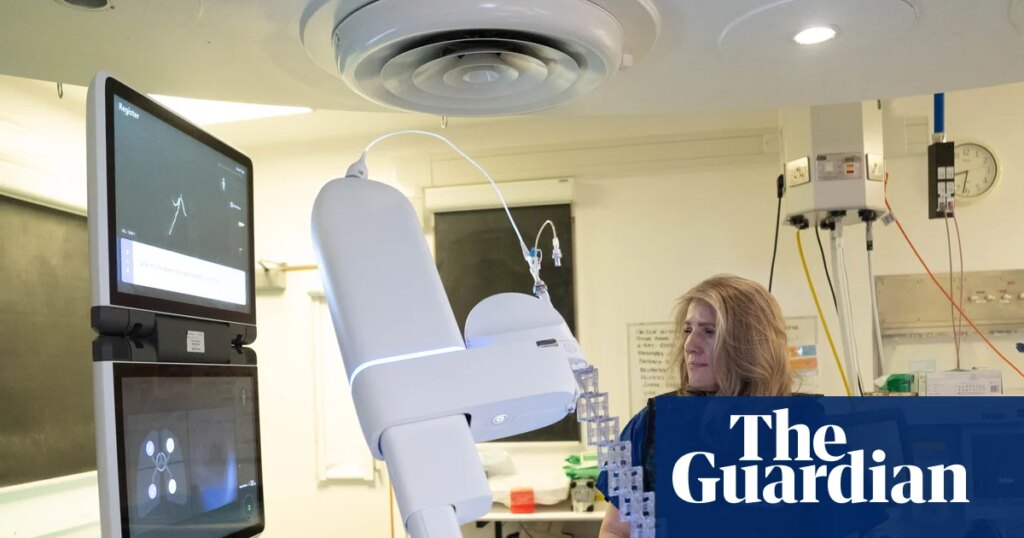
The NHS in England is set to embark on a groundbreaking trial that combines artificial intelligence (AI) and robotic-assisted technology to accelerate the detection and diagnosis of lung cancer, which remains the leading cause of cancer-related deaths in the UK.
This initiative aligns with the health service’s ambitious commitment to ensure that all smokers and former smokers are screened for lung cancer by the year 2030. Such an expansion is projected to result in approximately 50,000 lung cancer diagnoses by 2035, with an estimated 23,000 cases identified at an early stage. This proactive approach has the potential to save thousands of lives, according to NHS estimates.
Lung cancer is a major focus of the government’s upcoming national cancer strategy, specifically due to its status as Britain’s most lethal cancer. The disease claims around 33,100 lives annually, which translates to approximately 91 fatalities each day across the UK. This alarming statistic reflects the historical prevalence of smoking in the country.
Moreover, lung cancer highlights significant health disparities tied to socioeconomic status. It impacts individuals in lower-income brackets disproportionately, contributing to the stark difference in life expectancy between the most and least deprived areas of England—a gap that spans nearly nine years.
By integrating AI and robotic technology, NHS leaders believe that healthcare professionals can detect more cases of lung cancer earlier, thereby facilitating timely treatments and improving survival rates. The trial is set to take place at Guy’s and St Thomas’ NHS trust located in London.
“This represents a glimpse into the future of cancer detection,” remarked Professor Peter Johnson, who serves as the national clinical director for cancer at NHS England.
The trial will utilize advanced AI software to analyze lung scans, specifically looking for small nodules—some as diminutive as 6mm, roughly the size of a grain of rice—that are most likely indicative of cancer. Following this analysis, a robotic camera will guide precision tools to perform biopsies; this technique aims to gather tissue samples that can be assessed in laboratories with greater accuracy than traditional methods allow. This innovation aims to enable the removal and examination of potentially cancerous nodules that are currently difficult to detect.
“If this technology proves effective, it could revolutionize the diagnosis of lung cancer as the NHS screening program increasingly identifies patients with very small nodules that would have previously gone unnoticed until they became more advanced,” noted NHS England in their statement.
The introduction of this technology could significantly streamline the diagnostic process; many patients currently undergo weeks of repetitive scans and procedures that could be lessened by a single, efficient half-hour biopsy. Such a shift has the potential to reduce prolonged periods of uncertainty and to minimize the need for more invasive surgical procedures.
The trial team has successfully conducted roughly 300 robotic biopsies, which led to 215 individuals receiving cancer treatment. “Lung cancer stands as the leading cause of cancer mortality in the UK, but early diagnosis can greatly enhance patients’ chances of survival,” stated Michelle Mitchell, the chief executive of Cancer Research UK.
Mitchell further emphasized the tremendous potential of innovative technologies such as these, advocating for rapid testing to validate their accuracy and effectiveness in real-world settings so that these advancements can be accessible to patients without delay.
Interested in growing your brand with smarter solutions? Get in touch with Auctera today.

Jessica
https://www.linkedin.com/company/aucteraAffiliate Content Writer