5 Strategies for Leaders to Prevent Ethical Missteps
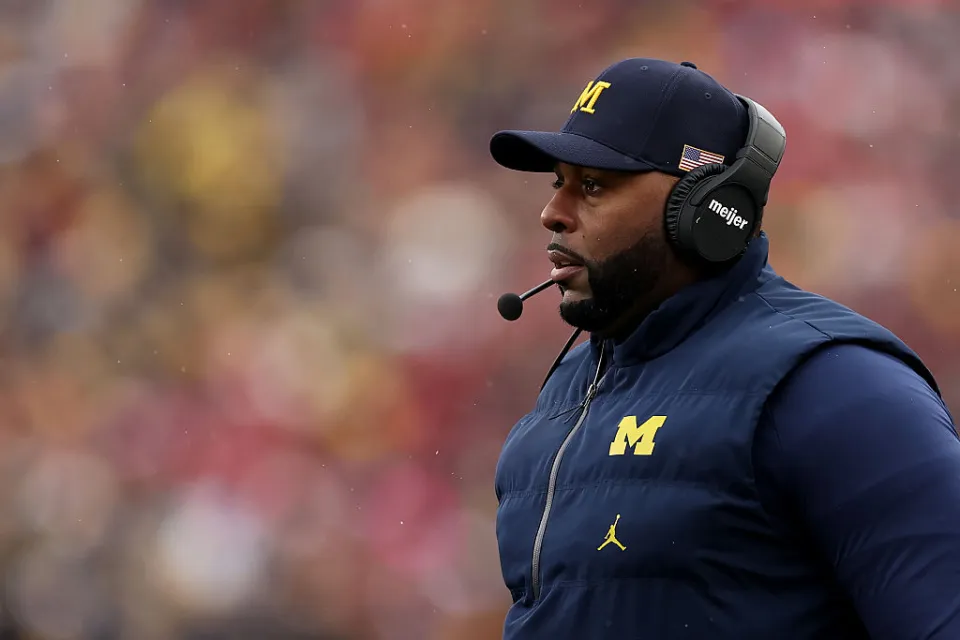

Sherrone Moore – Former University of Michigan head football coach (Photo by Luke Hales/Getty Images)
One of the most precarious situations you can find yourself in is the deceptive belief that you are immune to moral failure.
The recent dismissal of University of Michigan head coach Sherrone Moore serves as yet another poignant reminder of this truth. Moore joins a troubling roster of talented leaders who have recently faltered in their roles, including Bobby Petrino at Arkansas, Steve Easterbrook at McDonald’s, and Brian Krzanich at Intel. The year 2025 also saw the rise and fall of Andy Byron and Kristen Kat from the company Astronomer due to their public relations disaster.
Across various industries, we observe a common theme: individuals in positions of power are making choices that ultimately erode the trust bestowed upon them.
So, what leads to these moral lapses on such a recurring basis?
Psychological research has delved into the ramifications of power, yielding troubling insights:
 Individuals who wield power tend to judge others more harshly while affording themselves leniency. This phenomenon, termed moral hypocrisy, stems from the belief that one’s elevated status exempts them from the usual ethical standards.
Additionally, power instills a sense of moral disinhibition—a shift in focus toward personal gains and a diminished capacity for empathy concerning the consequences of one’s actions on others.
Research indicates that people in higher social strata are more inclined to breach fundamental social norms, such as engaging in aggressive driving or ignoring pedestrian rights.
Furthermore, moral licensing can occur, where individuals justify unethical behavior by rationalizing the good deeds they’ve done previously: “I’ve contributed so much; I’ve earned this privilege.” Even those who are typically ethical are not immune to this trap.
A truth I continually reflect upon is this: Leadership represents a profound trust.
The moment we lose sight of this notion, we risk transforming our leadership roles into mere perks instead of recognizing them as heavy responsibilities.
How can we safeguard ourselves against the mistakes that have beset others?
 Clearly outline your boundaries before facing temptations. Write down the ethical lines you refuse to cross concerning relationships, financial dealings, and integrity.
Maintain clear and transparent boundaries in your relationships. In positions where you have the authority to hire, fire, or promote, there’s no such thing as a “private” relationship—this should be understood and respected.
Cultivate a trusted inner circle that can challenge you. Grant certain individuals permission to pose tough questions to you and commit to answering them sincerely.
Establish rhythms of self-reflection. Regularly evaluate your beliefs and assumptions by asking: Where might I begin to think the rules no longer apply to me?
Strengthen your organization’s protective measures. Implement clear policies, ensure psychological safety, and maintain genuine accountability to safeguard both individuals and leaders.
Moral failure isn’t an unavoidable fate. However, it becomes predictable when we lose sight of our duties and start viewing them as entitled privileges.
Protect your heart, your influence, and the trust that others place in you.
How do you remain grounded amidst the ever-present temptations?
I would be eager to learn about the practices, mentors, or guardrails you rely on to stay faithful to your values.
The post 5 Ways to Avoid Moral Failures as a Leader appeared first on Leading with Trust.

Jessica
https://www.linkedin.com/company/aucteraAffiliate Content Writer